

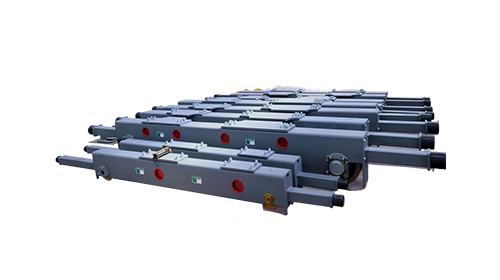
Introduction and Selection Guide for End Beams
Jul 23,2024
Introduction and Selection Guide for End Beams
What is an End Beam?
An end beam is a crucial component of an overhead crane, located at both ends of the crane, primarily used to support and move the bridge. The quality and performance of the end beam directly impact the operational efficiency and safety of the crane. Therefore, understanding the basic structure, classification, and selection criteria of end beams is essential for ensuring the stable operation of the crane.
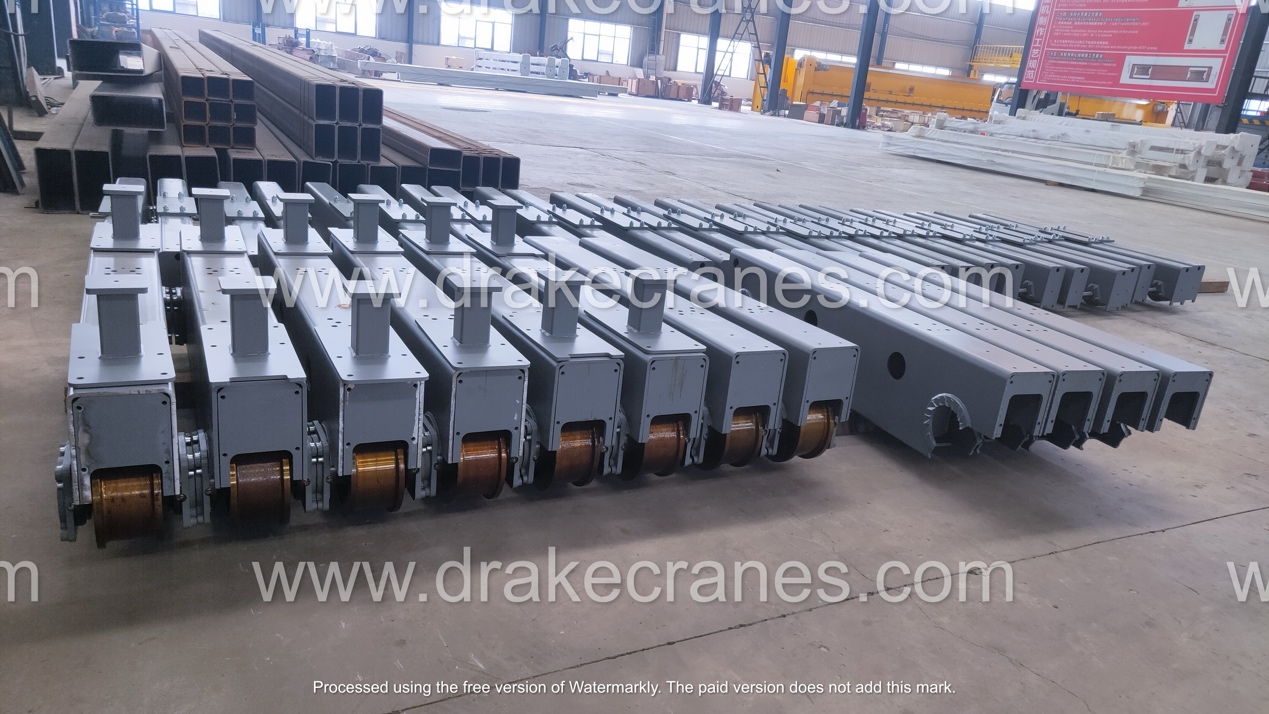
Basic Structure of End Beams
Main Beam Connection: The end beam is connected to the main beam through bolts or welding, ensuring structural stability.
Wheel Set: The end beam is equipped with a wheel set at the bottom, which runs on the track, allowing the crane to move along the track.
Drive Device: The end beam is equipped with a drive device, including a motor and reducer, to drive the wheel set.
Safety Devices: The end beam is equipped with safety devices such as anti-derailment devices, limit switches, and buffers to ensure the safe operation of the crane.
Classification of End Beams
Single Girder End Beam: Suitable for single girder overhead cranes, simple in structure, suitable for light and medium loads.
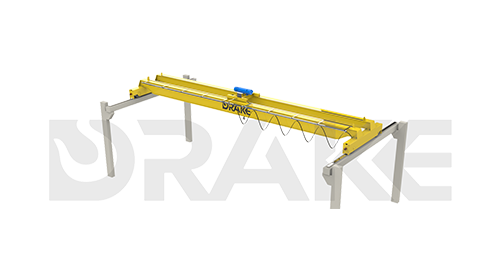
Double Girder End Beam: Suitable for double girder overhead cranes, complex in structure, strong load capacity, suitable for heavy and super heavy loads.

How to Choose the Right End Beam
Choosing the right end beam requires comprehensive consideration of multiple factors to ensure it meets work requirements and guarantees safety. Here are some key points to consider when selecting an end beam:
Load Capacity: Choose the end beam based on the maximum load capacity of the crane to ensure it can safely support and move the crane's weight.
Material and Manufacturing Process: Choose end beams made of high-strength steel and ensure the welding process meets relevant standards.
Size and Specifications: Choose the appropriate size of the end beam based on the span and track width of the crane to ensure smooth installation and operation.
Operating Speed: Choose the appropriate operating speed of the end beam based on work efficiency requirements to ensure it meets production rhythms.
Safety: Ensure the end beam is equipped with necessary safety devices such as anti-derailment devices and limit switches to ensure safe operation.
Supplier and After-Sales Service: Choose reputable and experienced suppliers to ensure the quality and performance of the end beam and provide comprehensive after-sales service.
Maintenance of End Beams
Regular Inspection: Regularly inspect the components of the end beam, especially the wheel set, welds, and connections, and address any issues promptly.
Lubrication Maintenance: Regularly lubricate the wheel set and drive device to ensure smooth operation and reduce wear.
Safety Checks: Regularly check the safety devices of the end beam to ensure they function properly during operation, ensuring operational safety.

Conclusion
End beams are indispensable components of overhead cranes, and their quality and performance directly affect the crane's operational efficiency and safety. By understanding the structure, classification, and selection criteria of end beams, you can better choose and use end beams to improve the work efficiency of overhead cranes and ensure smooth industrial production.
Related information

Blog
Company News
Analysis of the Terminology and Types of Seven Categories of Overhead Cranes Based on GB/T 6974.5-2023
Sep 03,2026
Company News
Hoist: Elevating Everyday Applications in Modern Life
Dec 16,2025
Company News
Hoist Your Spirits: The Latest Buzz in News and Insights
Dec 09,2025

Drake( Henan) Intelligent Equipment Co., Ltd. Is a modern enterprise with independent import and export management rights integrating crane R&D, design, production, installation and service.
Inquire Now >
SAF Coolest v1.3.1.2 设置面板 RNJSD-ZZZW-MXSQE-ZDE
无数据提示
Sorry, the current column is being updated, so stay tuned!
You can view other columns or return to the Homepage