

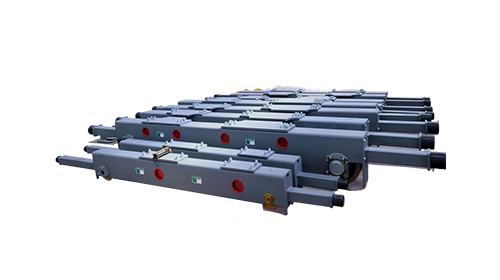
Comparison of Chain Hoists and Wire Rope Hoists: Choosing the Right Lifting Equipment and Their Advantages
Jul 18,2024
In industrial production and material handling, hoists are indispensable equipment. Chain hoists and wire rope hoists are two common types of lifting equipment, each with its own differences in structure, performance, and application scenarios. This article will detail the differences between chain hoists and wire rope hoists and their respective advantages, helping you better choose the right lifting equipment.

Overview of Chain Hoists
Chain hoists, also known as chain block hoists, are lifting devices that use chains for lifting and moving loads. They are typically used for smaller loads and shorter lifting heights.
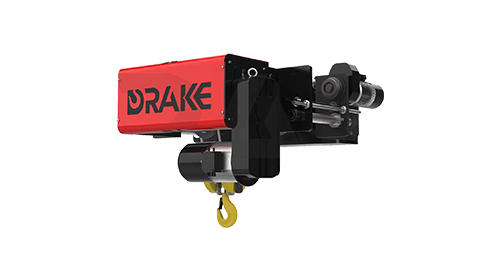
Overview of Wire Rope Hoists
Wire rope hoists are lifting devices that use wire ropes for lifting and moving loads. They are typically used for larger loads and greater lifting heights.
Differences Between Chain Hoists and Wire Rope Hoists
Structure and Material
Chain Hoists: Use chains as the lifting medium, with a simple structure. The chain material is usually high-strength alloy steel, which has high wear resistance and tensile strength.
Wire Rope Hoists: Use wire ropes as the lifting medium, with a relatively complex structure. The wire rope material is usually high-strength steel wire, which has high flexibility and tensile strength.
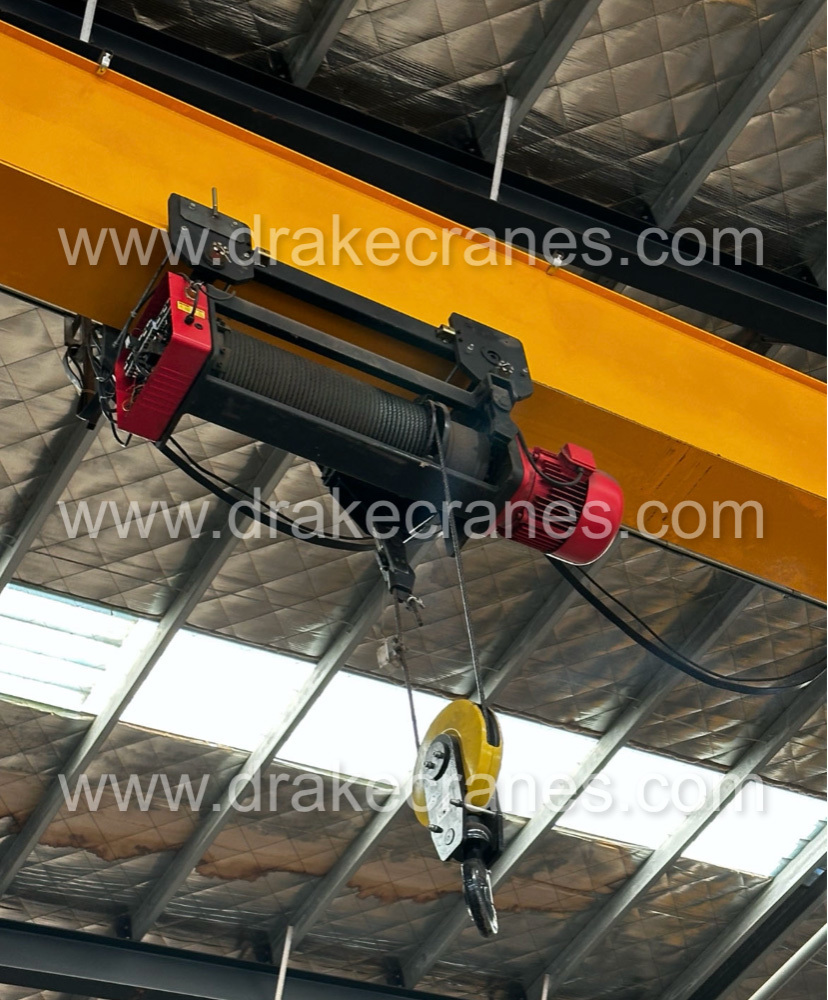
Load Capacity
Chain Hoists: Suitable for smaller loads, usually within a few tons, ideal for handling small to medium-sized materials.
Wire Rope Hoists: Suitable for larger loads, usually ranging from tens to hundreds of tons, ideal for handling heavy and super-heavy materials.
Lifting Height
Chain Hoists: Have a relatively small lifting height, suitable for low-rise buildings and short-distance lifting.
Wire Rope Hoists: Have a greater lifting height, suitable for high-rise buildings and long-distance lifting.
Application Scenarios
Chain Hoists: Suitable for confined spaces, complex working environments, and frequent use scenarios such as workshops, warehouses, and maintenance operations.
Wire Rope Hoists: Suitable for large-scale projects, construction sites, and heavy equipment installations, requiring high precision and large load handling tasks.
How to Choose the Right Hoist
Based on Load Requirements: Choose the appropriate type of hoist according to the actual load requirements to ensure the equipment can safely and efficiently complete the task.
Consider the Working Environment: Choose the appropriate type of hoist according to the size of the working environment and operational requirements to ensure the equipment can operate flexibly.
Evaluate Lifting Height: Choose the appropriate type of hoist according to the lifting height requirements to ensure the equipment can meet the actual operational needs.
Focus on Maintenance Costs: Choose the type of hoist with lower maintenance costs to reduce the operating costs of the enterprise and improve the service life of the equipment.
Chain hoists and wire rope hoists each have their own advantages in terms of structure, performance, and application scenarios. Chain hoists are suitable for handling small to medium-sized materials, with advantages of simple structure, strong durability, flexible operation, and lower cost. Wire rope hoists are suitable for handling heavy and super-heavy materials, with advantages of high load capacity, greater lifting height, good stability, and multifunctionality.
Related information

Blog
Company News
Analysis of the Terminology and Types of Seven Categories of Overhead Cranes Based on GB/T 6974.5-2023
Sep 03,2026
Company News
Hoist: Elevating Everyday Applications in Modern Life
Dec 16,2025
Company News
Hoist Your Spirits: The Latest Buzz in News and Insights
Dec 09,2025

Drake( Henan) Intelligent Equipment Co., Ltd. Is a modern enterprise with independent import and export management rights integrating crane R&D, design, production, installation and service.
Inquire Now >
SAF Coolest v1.3.1.2 设置面板 RNJSD-ZZZW-MXSQE-ZDE
无数据提示
Sorry, the current column is being updated, so stay tuned!
You can view other columns or return to the Homepage