

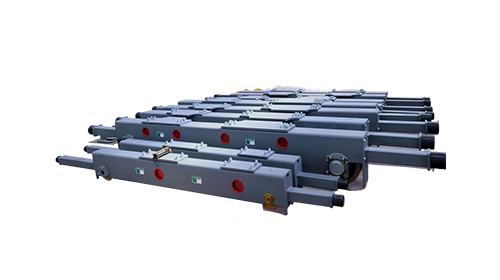
Gantry Crane: The Superior Choice for Heavy Material Handling
Jul 18,2024
Introduction
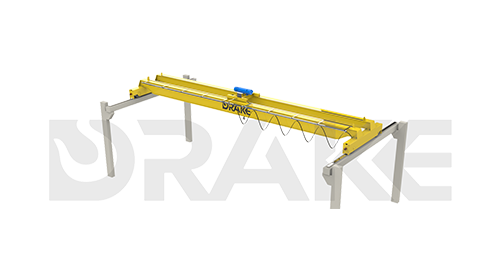
The gantry crane, also known as a portal crane, is a common industrial device widely used for handling and loading heavy materials. Its unique design and efficient working mechanism make it an indispensable part of industrial production.
Components
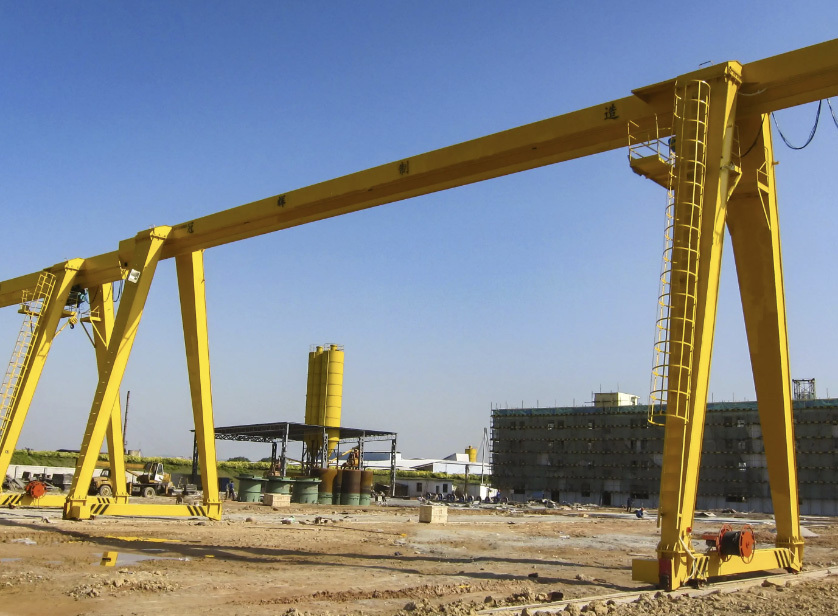
The main components of a gantry crane include:
Main Beam: Usually made of steel, it bears the weight of the entire crane and the lifting load.
Legs: Support the main beam and ensure the stability of the equipment, usually equipped with wheels for easy movement.
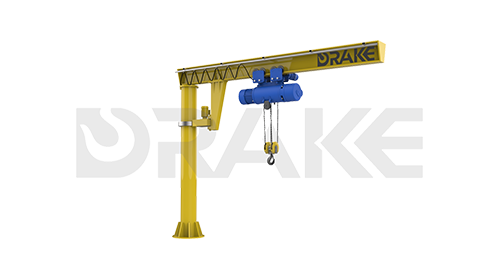
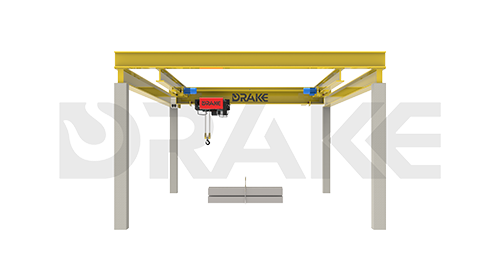
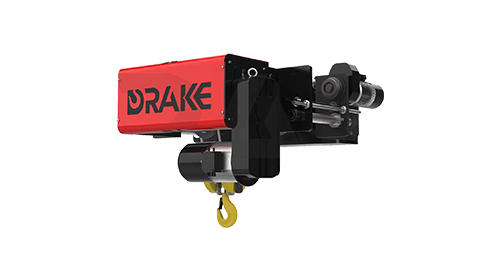
Hoisting Trolley: Installed on the main beam, capable of moving horizontally on the beam, equipped with an electric hoist or a manual hoist.
Electrical System: Includes control cabinets, remote controls, and safety protection devices to ensure the safe operation of the crane.
Track: Installed on the ground or suspended in the air, allowing the legs or wheels of the crane to move.
Working Principle
The working principle of a gantry crane is relatively simple. It lifts heavy objects using an electric hoist or a manual hoist, then moves the objects horizontally on the main beam using the hoisting trolley. The wheels or track system on the legs ensure that the crane can move freely within the working area, achieving efficient material handling.
Lifting Heavy Objects: The electric hoist or manual hoist lifts the heavy objects to the required height.
Horizontal Movement: The hoisting trolley moves horizontally on the main beam, transferring the objects from one location to another.
Vertical Movement: The wheels or track system on the legs allow the crane to move freely within the working area.
Application Scenarios

Gantry cranes are widely used in the following scenarios:
Warehousing and Logistics: Used for handling and stacking goods, improving warehouse efficiency.
Ports and Docks: Used for loading and unloading containers and other heavy goods, ensuring efficient port operations.
Construction Sites: Used for handling construction materials and equipment, enhancing construction efficiency.
Manufacturing: Used for handling large workpieces and equipment, supporting efficient production lines.
Power Facilities: Used for installing and maintaining large power equipment, ensuring stable operation of power systems.
Advantages
Gantry cranes offer multiple advantages in industrial production:
Efficiency: Capable of quickly and accurately handling heavy objects, improving work efficiency.
Flexibility: The wheels or track system on the legs allow the crane to move freely within the working area, adapting to different work needs.
Safety: Equipped with advanced electrical systems and safety protection devices, ensuring safe operation.
Space-saving: Does not require a fixed installation position, allowing flexible arrangement in different workplaces.
Cost-effectiveness: Compared to other types of lifting equipment, gantry cranes have lower maintenance costs and longer service life, offering high cost-performance.
Conclusion
As an efficient and flexible material handling device, the gantry crane plays an important role in industrial production. By understanding its components, working principle, application scenarios, and advantages, this equipment can be better utilized to improve production efficiency and ensure operational safety.
Related information

Blog
Company News
Analysis of the Terminology and Types of Seven Categories of Overhead Cranes Based on GB/T 6974.5-2023
Sep 03,2026
Company News
Hoist: Elevating Everyday Applications in Modern Life
Dec 16,2025
Company News
Hoist Your Spirits: The Latest Buzz in News and Insights
Dec 09,2025

Drake( Henan) Intelligent Equipment Co., Ltd. Is a modern enterprise with independent import and export management rights integrating crane R&D, design, production, installation and service.
Inquire Now >
SAF Coolest v1.3.1.2 设置面板 RNJSD-ZZZW-MXSQE-ZDE
无数据提示
Sorry, the current column is being updated, so stay tuned!
You can view other columns or return to the Homepage