

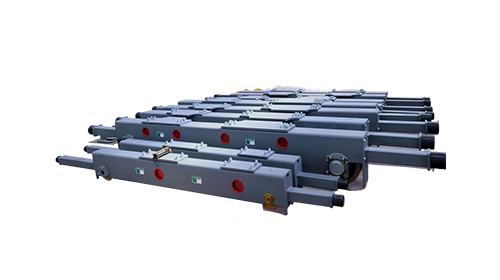
The Fascinating Mechanics Behind a Hoist
Oct 28,2025
Unveiling the Hoist: More Than Just a Lift
Ever wondered how heavy objects seem to defy gravity? Enter the hoist, the unsung hero of lifting! In construction sites and warehouses alike, these machines do the heavy lifting, quite literally. Let's dive into the working principles of the hoist and see why it's a game changer in various industries.
What is a Hoist?
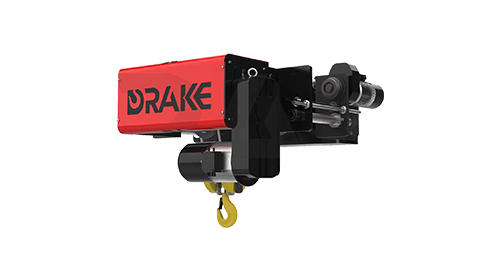
Simply put, a hoist is a device used to lift or lower a load using a drum or lift-wheel. It's typically powered by either a manual crank or an electric motor, making it versatile for different scenarios. From construction cranes to theater rigging systems, hoists are everywhere!
How Does a Hoist Work?
Alright, here's where it gets interesting! The basic working principle of a hoist revolves around the concept of mechanical advantage. By using a system of pulleys and gears, a hoist can lift heavy loads with minimal effort. Here's how:
1. The Pulley System
Pulleys are the brains of the operation. A hoist may have a single pulley or multiple ones arranged in a block and tackle configuration. When you pull on the rope or chain, it goes around the pulley, allowing you to lift the load with less force.
2. Gear Ratios
Gears play a crucial role, too. The gear ratio determines how much weight can be lifted and how fast. A higher gear ratio means that a small effort can move a large load. Talk about efficiency!
3. Power Source
Whether it's manual or electric, the power source drives the lifting mechanism. Electric hoists are popular in industrial settings due to their ease of use and ability to lift heavier loads without breaking a sweat.
Why Use a Hoist?
So, why should you care? Using a hoist not only saves time but also reduces the risk of injury. Imagine trying to lift a hefty load by yourself—yikes! With a hoist, you can get the job done quickly and safely.
Applications of Hoists in Everyday Life
Hoists aren't just for construction sites. They've made their way into various fields:
- Construction: Lifting steel beams and heavy equipment.
- Manufacturing: Moving heavy parts along assembly lines.
- Theater: Rigging lights and scenery effortlessly.
- Maritime: Hoisting sails and moving cargo on ships.
Safety First!
Of course, safety is paramount when operating a hoist. Always follow manufacturer guidelines, perform regular maintenance, and ensure that the load is secured before lifting. Remember, a hoist is only as safe as the operator!
Final Thoughts
The next time you see a hoist in action, take a moment to appreciate the engineering marvel behind it. Whether it's a construction site or a local theater, these machines have a way of making our lives easier—lifting our spirits and our loads with remarkable efficiency!
Related information
Blog
Company News
Analysis of the Terminology and Types of Seven Categories of Overhead Cranes Based on GB/T 6974.5-2023
Sep 03,2026
Company News
Hoist: Elevating Everyday Applications in Modern Life
Dec 16,2025
Company News
Hoist Your Spirits: The Latest Buzz in News and Insights
Dec 09,2025

Drake( Henan) Intelligent Equipment Co., Ltd. Is a modern enterprise with independent import and export management rights integrating crane R&D, design, production, installation and service.
Inquire Now >
SAF Coolest v1.3.1.2 设置面板 RNJSD-ZZZW-MXSQE-ZDE
无数据提示
Sorry, the current column is being updated, so stay tuned!
You can view other columns or return to the Homepage