

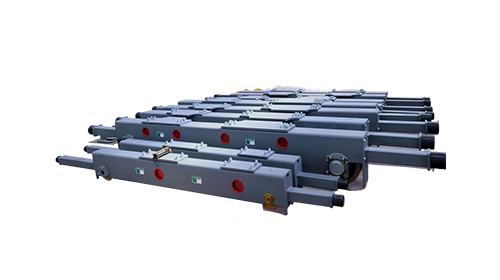
The Ultimate Guide to Hoists: Elevate Your Efficiency
Oct 22,2025
What is a Hoist?
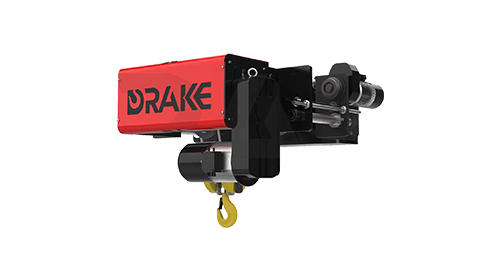
Hoists, oh boy! They're not just a piece of equipment; they're the backbone of lifting solutions in various industries. In simple terms, a hoist is a device used to lift or lower loads by means of a drum or lift-wheel around which a rope or chain wraps. It's the unsung hero in construction sites, warehouses, and even garages. Whether you're hoisting heavy machinery or just moving some boxes around, these devices make life a whole lot easier.
Types of Hoists: A Quick Rundown
Now, let's dive into the nitty-gritty. There are several types of hoists, each tailored for specific needs. Here's a quick rundown:
- Manual Hoists: Perfect for smaller jobs, these require a bit of elbow grease. You pull a chain or rope to lift the load—great for the DIY enthusiast!
- Electric Hoists: When you need to lift heavier loads without breaking a sweat, electric hoists step in. With just the push of a button, you can elevate massive weights effortlessly.
- Pneumatic Hoists: These use compressed air to lift loads, making them a fantastic choice for environments where electricity might be a no-go.
Why Choose a Hoist?
So, why should you consider investing in a hoist? Well, let's break it down:
- Safety First: Hoists are designed to handle heavy loads, reducing the risk of injury from lifting. They take the strain off your back, literally!
- Efficiency: Time is money, right? Hoists speed up your operations, allowing you to get the job done quicker and move on to the next task.
- Versatility: Whether you're lifting a car engine or moving furniture, hoists can adapt to various applications, making them an invaluable tool.
How to Choose the Right Hoist
Choosing the right hoist can feel like searching for a needle in a haystack. Here are some tips to help you narrow down your options:
- Weight Capacity: Always know the weight of the load you'll be lifting. Exceeding the hoist's capacity is a recipe for disaster.
- Lift Height: Consider how high you need to lift. Some projects may require more vertical reach than others.
- Power Source: Decide between manual, electric, or pneumatic based on your work environment and load requirements.
Maintenance Tips for Longevity
Now that you've got a hoist (or are about to), let's talk maintenance. Keeping your hoist in tip-top shape is crucial for safe and efficient operation:
- Regular Inspections: Check for wear and tear on chains, ropes, and other components. Catching issues early can save you headaches down the line.
- Lubrication: A little grease goes a long way! Regularly lubricate moving parts to ensure smooth operation.
- Store Properly: When not in use, store your hoist in a dry, secure place to prevent rust and damage.
Final Thoughts
In conclusion, hoists are indispensable tools that can elevate your efficiency, safety, and productivity. Whether you're a seasoned professional or a weekend warrior, understanding the ins and outs of hoists will empower you to tackle your lifting challenges with confidence. So, go ahead and hoist your way to success!
Related information
Blog
Company News
Analysis of the Terminology and Types of Seven Categories of Overhead Cranes Based on GB/T 6974.5-2023
Sep 03,2026
Company News
Hoist: Elevating Everyday Applications in Modern Life
Dec 16,2025
Company News
Hoist Your Spirits: The Latest Buzz in News and Insights
Dec 09,2025

Drake( Henan) Intelligent Equipment Co., Ltd. Is a modern enterprise with independent import and export management rights integrating crane R&D, design, production, installation and service.
Inquire Now >
SAF Coolest v1.3.1.2 设置面板 RNJSD-ZZZW-MXSQE-ZDE
无数据提示
Sorry, the current column is being updated, so stay tuned!
You can view other columns or return to the Homepage