

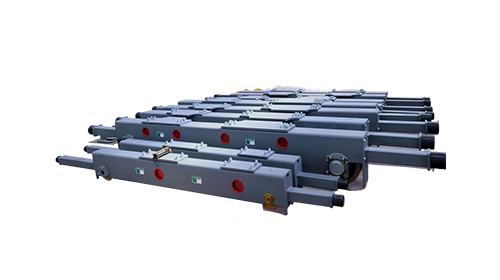
Discover the Flexible Rail Crane
Jul 18,2024
In modern industrial production and logistics management, enhancing the flexibility and efficiency of lifting equipment is crucial. The flexible rail crane is an innovative solution designed to meet this need. This article will provide a detailed introduction to the definition, application scenarios, and significant advantages of flexible rail cranes, helping you better understand the value of this equipment.

What is a Flexible Rail Crane?
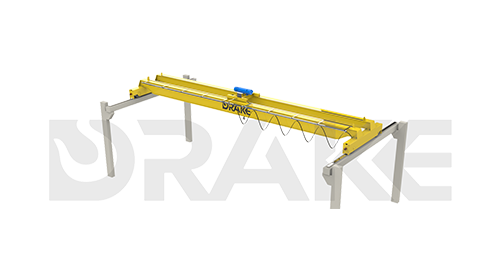
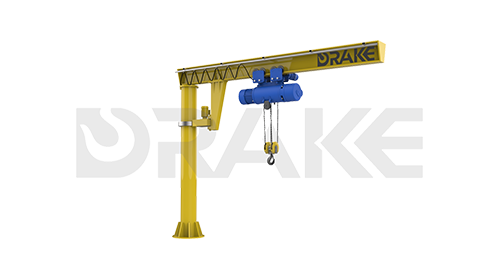
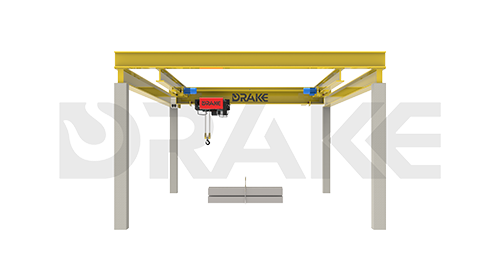
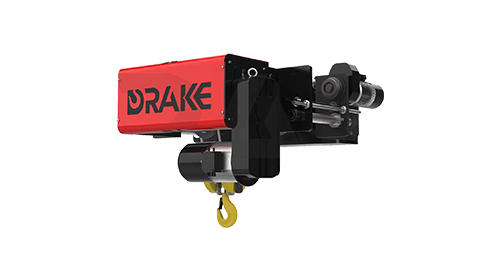
A flexible rail crane is a type of lifting equipment that combines the lifting capabilities of traditional cranes with the flexibility of a rail system. It features a modular design, allowing the rail system to be flexibly arranged according to the needs of the work site, adapting to various complex working environments and production processes. Common lifting devices include electric hoists, pneumatic hoists, etc., which can meet different load and lifting height requirements.
Application Scenarios of Flexible Rail Cranes
Production Lines: On production lines, flexible rail cranes can be flexibly adjusted to facilitate the handling and assembly of materials, improving production efficiency.
Assembly Workshops: Assembly workshops require frequent movement and adjustment of work positions, making the flexibility of flexible rail cranes an ideal choice.
Warehousing and Logistics: In warehouses and logistics centers, flexible rail cranes can efficiently handle and stack materials, optimizing space utilization.
Docks: The complex working environment of docks requires flexible rail cranes to adapt to different work demands, enhancing loading and unloading efficiency.
Other Industrial Scenarios: Industries such as automotive manufacturing, aerospace, and heavy machinery can all benefit from the high-efficiency material handling solutions provided by flexible rail cranes.

Advantages of Flexible Rail Cranes
Flexible Layout: The rail system can be flexibly arranged according to actual needs, adapting to different working environments and production processes.
Modular Design: Components are designed modularly, making them easy to install, dismantle, and expand, quickly responding to changes in production demands.
Various Lifting Methods: Different lifting devices, such as electric hoists and pneumatic hoists, can be chosen to meet different load and lifting height requirements.
Safety and Reliability: Equipped with various safety devices, such as anti-collision systems, limiters, and overload protection, ensuring safety during operation.

Conclusion
With its flexibility, efficiency, and safety, the flexible rail crane has become an essential piece of equipment in modern industrial production and logistics management. Whether on production lines, in assembly workshops, or in warehousing and docks, flexible rail cranes provide reliable material handling solutions, enhancing production efficiency and operational safety. If you are looking for lifting equipment that can adapt to changing work environments, the flexible rail crane is undoubtedly your ideal choice.
By understanding the definition, application scenarios, and significant advantages of flexible rail cranes, you will be better equipped to select and apply this equipment, providing strong support for your production and logistics management.
Related information

Blog
Company News
Analysis of the Terminology and Types of Seven Categories of Overhead Cranes Based on GB/T 6974.5-2023
Sep 03,2026
Company News
Hoist: Elevating Everyday Applications in Modern Life
Dec 16,2025
Company News
Hoist Your Spirits: The Latest Buzz in News and Insights
Dec 09,2025

Drake( Henan) Intelligent Equipment Co., Ltd. Is a modern enterprise with independent import and export management rights integrating crane R&D, design, production, installation and service.
Inquire Now >
SAF Coolest v1.3.1.2 设置面板 RNJSD-ZZZW-MXSQE-ZDE
无数据提示
Sorry, the current column is being updated, so stay tuned!
You can view other columns or return to the Homepage